
From R&D Complexity to Industrial Reality: Advanced Process Development and Manufacturing Solutions
Transforming an early-stage synthetic route into a scalable and reliable manufacturing process requires far more than achieving target chemistry in the laboratory. Process safety, scalability, impurity control, operational robustness, and manufacturing efficiency must all be considered early to support successful industrialization.
At Asymchem’s Sandwich site, the Route & Process Enabling workflow is designed to help partners mitigate development risks and accelerate the transition from R&D complexity to practical manufacturing solutions through integrated process development expertise.
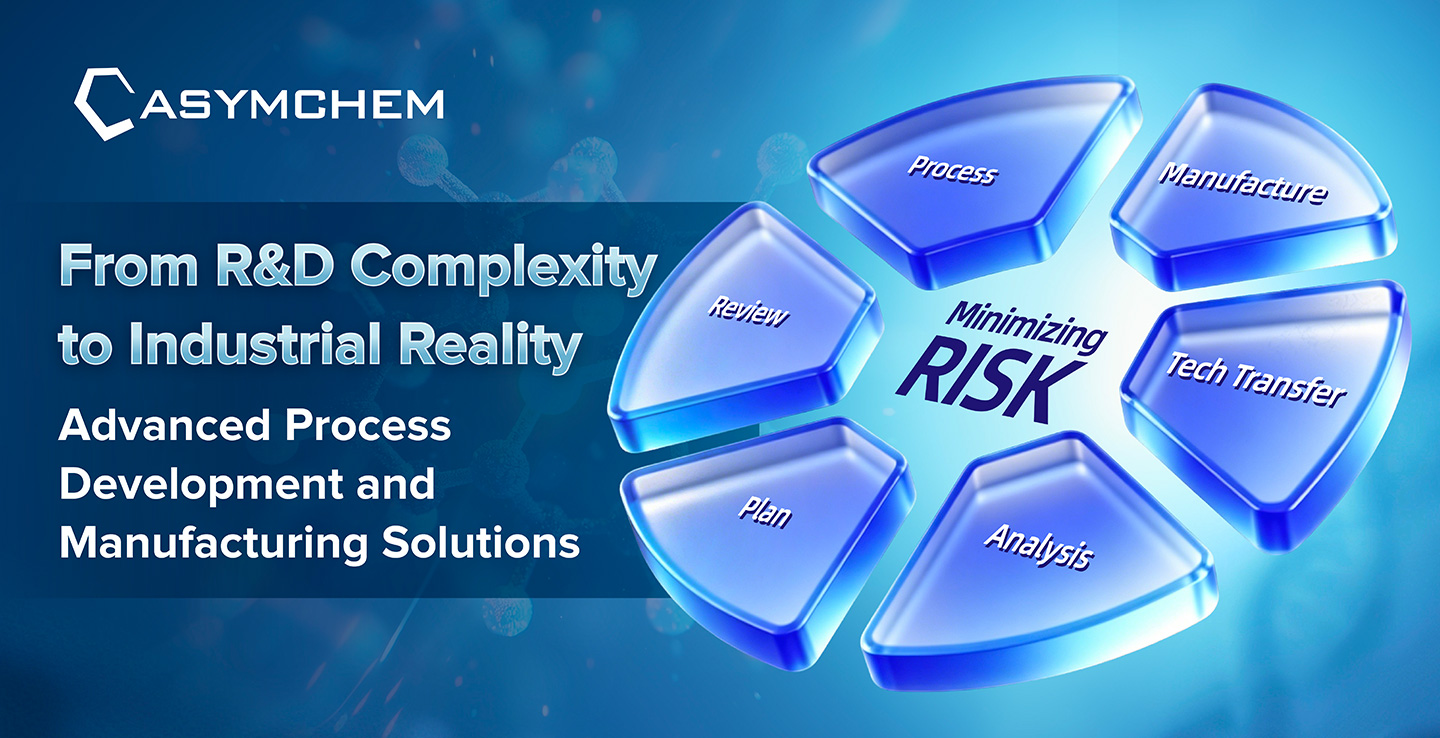
1. Process Review
Development begins with a structured process review following detailed technical discussions to identify potential scale-up vulnerabilities and prioritize at-risk unit operations. Rather than focusing only on laboratory performance, the assessment evaluates how the process may behave under manufacturing conditions and where additional understanding is required.
The outcome is a targeted experimental plan designed to generate critical process understanding and define strategies to mitigate identified technical, safety, and operational risks before scale-up activities begin.
2. Laboratory Execution – Route & Process Design
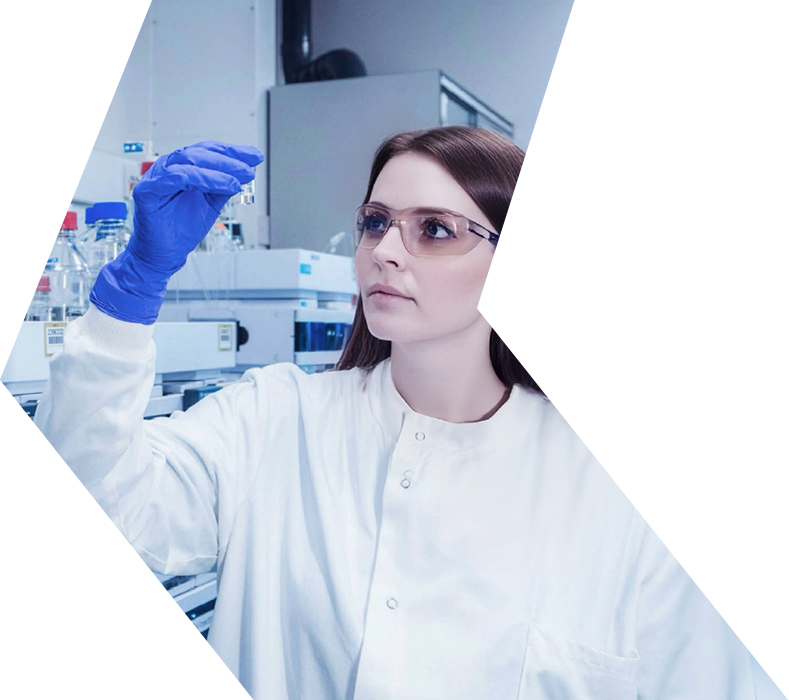
Modern laboratories equipped with advanced instrumentation and supported by highly experienced scientists enable rapid exploration of process improvements and alternative manufacturing strategies.
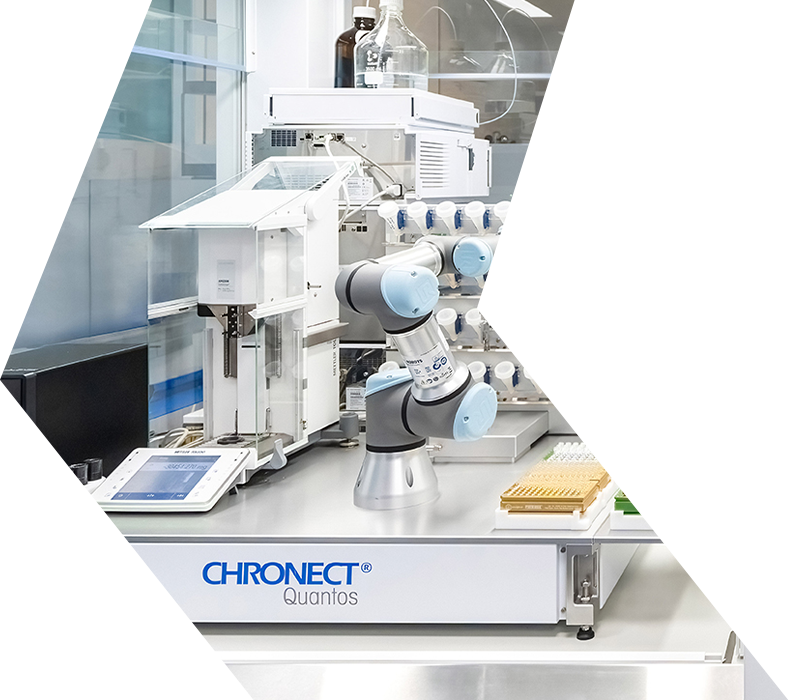
Industry-leading high-throughput experimentation (HTE) capabilities efficiently evaluate chemical space and help identify optimal reaction, extraction, and isolation conditions. This accelerated approach supports improved process robustness, shorter development timelines, and more efficient use of materials and resources.
A collaborative matrix team structure allows process safety specialists to embed safety considerations throughout development, while reaction engineering experts address scale-up risks at the earliest stages. By integrating these capabilities early, teams can proactively evaluate thermal behavior, operational feasibility, and process scalability before manufacturing transfer.
Analytical activities, including method development and impurity identification, proceed concurrently with process optimization to proactively mitigate quality risks and strengthen overall process understanding. Ongoing technical reviews and brainstorming sessions further support innovation, process refinement, and continuous improvement throughout development.
3. Tech Transfer & Manufacture
Efficient technology transfer is critical for converting optimized laboratory processes into reliable GMP manufacturing operations. At Asymchem’s Sandwich site, seamless technology transfer is supported through clear workflows, strong communication, and close collaboration between development and manufacturing teams.
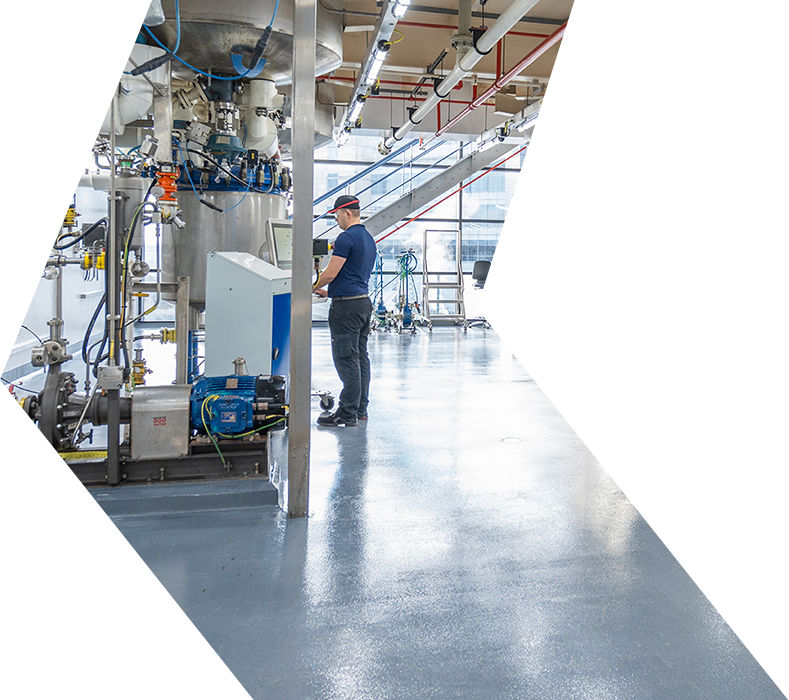
Manufacturing activities within GMP laboratories and GMP production plants enable flexible delivery from gram- to kilogram-scale quantities, while comprehensive QC testing helps ensure product quality, batch consistency, and regulatory compliance throughout production.
Structured after-action reviews following major project milestones help identify opportunities for continuous improvement, delivering measurable operational and technical benefits across the development lifecycle.
Enabling Scalable Manufacturing Success
As pharmaceutical molecules become increasingly complex and development timelines continue to accelerate, integrated process development has become essential for successful industrialization.
By combining expertise in process chemistry, analytical sciences, process safety, reaction engineering, and GMP manufacturing, Asymchem’s Sandwich site helps transform complex R&D challenges into scalable, efficient, and reliable manufacturing solutions.