


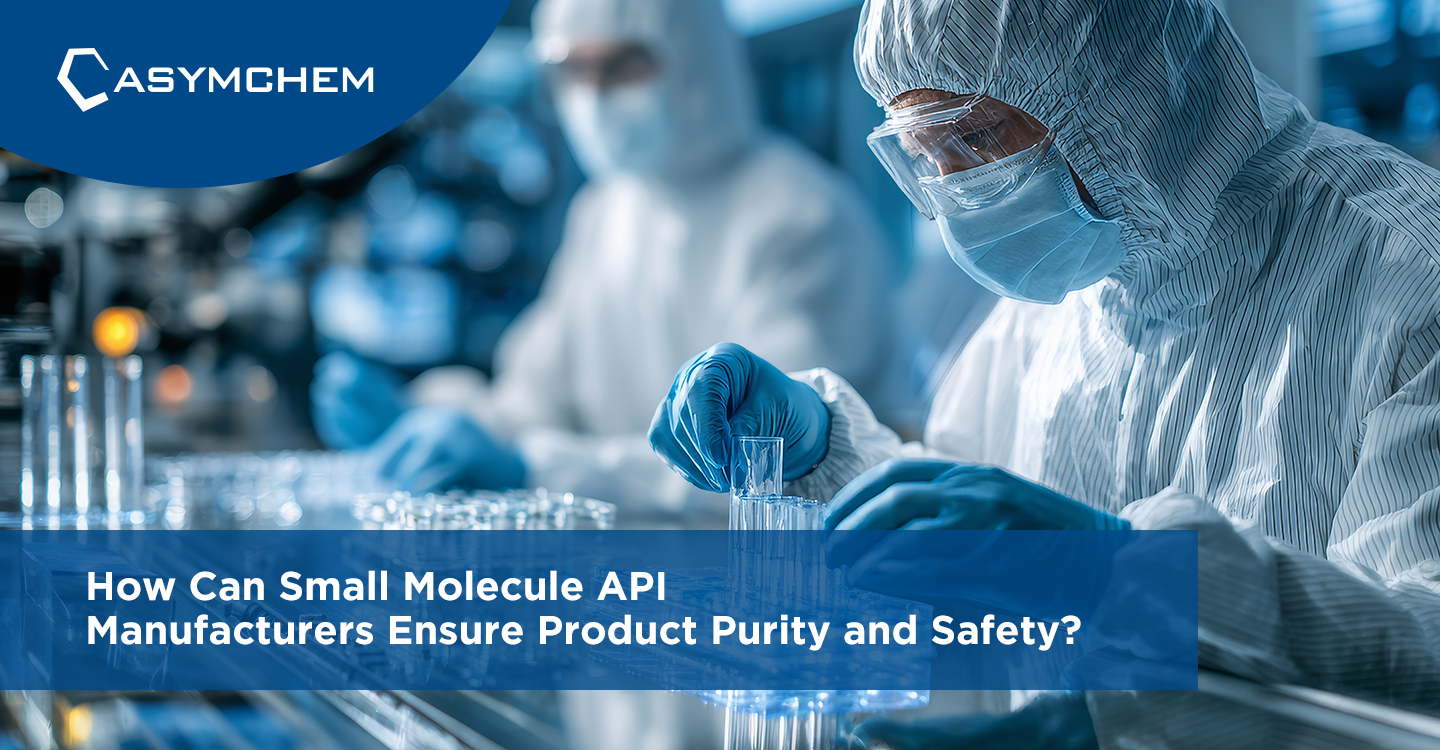
How Can Small Molecule API Manufacturers Ensure Product Purity and Safety?
Ensuring the purity and safety of Active Pharmaceutical Ingredients (APIs) is a key challenge in the pharmaceutical industry. APIs are critical components for creating safe and effective medications, with small molecules being the most widely used type. Each step of their synthesis must be precisely controlled to meet the desired purity and safety levels.
Asymchem, a leading Contract Development and Manufacturing Organization (CDMO) in the United States, focuses on small molecule API manufacturing, maintaining high standards for quality and safety. Below are effective strategies that small molecule API manufacturers can use to ensure product purity and safety.
Understanding Small Molecule APIs
Small molecule APIs are compounds with low molecular weight that can easily penetrate cellular membranes, making them effective in treating various diseases. Their synthesis involves complex chemical processes, and impurities can lead to adverse effects, reduced efficacy, or regulatory issues.
Strategies for Ensuring Product Purity and Safety
1. Good Manufacturing Practices (GMP)
Manufacturing should be aligned with Good Manufacturing Practices (GMP) to ensure quality and safety across all stages. Key elements of GMP include:
Facility Design and Maintenance: Proper facility design prevents contamination.
Equipment Calibration and Maintenance: Regular equipment checks ensure accurate results.
Personnel Training and Hygiene: Well-trained staff reduce the risk of contamination.
Document Control and Record-Keeping: Accurate documentation ensures traceability and compliance.
2. Rigorous Quality Control (QC) Testing
Comprehensive QC testing at each stage of manufacturing is essential for ensuring product purity and safety:
Raw Material Testing: Ensures the identity, purity, and safety of raw materials before use.
In-Process Testing: Detects variations during production, allowing for timely corrective action.
Final Product Testing: Confirms the purity, potency, and safety of the finished product.
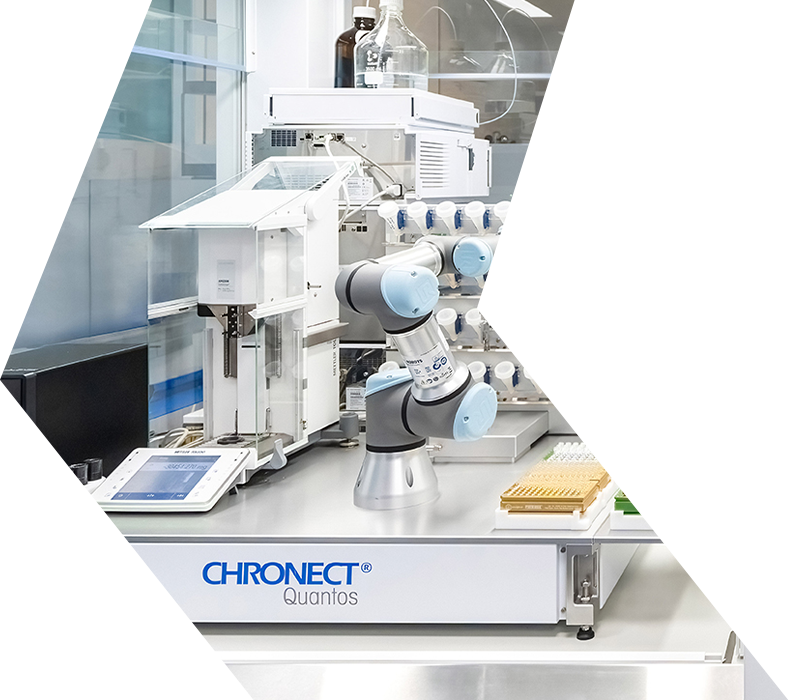
Asymchem uses advanced analytical techniques like High-Performance Liquid Chromatography (HPLC), mass spectrometry, and Nuclear Magnetic Resonance (NMR) to ensure thorough quality control.
3. Risk Assessments
Risk assessments identify and mitigate potential hazards at all manufacturing stages. Key elements include:
Identification of Critical Control Points (CCPs): Pinpointing stages that are most vulnerable to contamination.
Monitoring and Control Strategies: Implementing measures to reduce risks early in the process.
Asymchem uses rigorous risk assessment protocols to identify and address potential issues before they impact product quality.
4. Use of Advanced Technology
Advanced technologies play a critical role in enhancing API purity and safety:
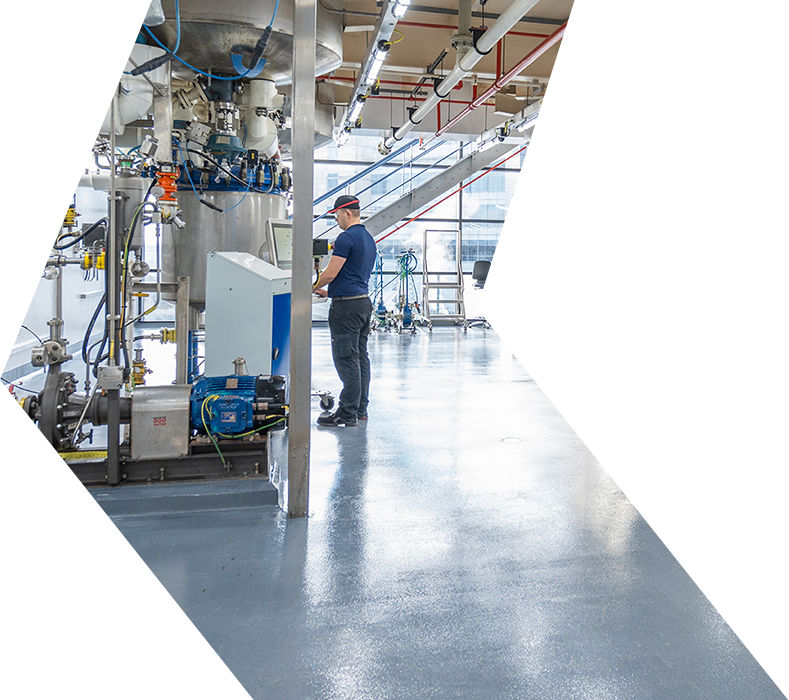
Process Automation: Reduces human error, standardizes processes, and improves overall reliability.
In-Line Process Monitoring: Real-time monitoring keeps process parameters within set limits.
Continuous Manufacturing: Reduces contamination risks and improves efficiency by detecting defects early.
Asymchem integrates cutting-edge technologies across all manufacturing stages to achieve the highest purity and safety.
5. Employee Training and Competence
A knowledgeable workforce is essential for maintaining product purity and safety. Regular training ensures that personnel understand best practices, regulatory requirements, and quality control procedures. Key training areas include:
GMP Compliance
Safe Practices
Equipment Operation and Maintenance
Quality Control Procedures
Investing in employee training minimizes errors that could compromise product purity and safety.
6. Regular Audits and Inspections
Internal audits and third-party inspections help identify compliance gaps and areas for improvement:
Internal Audits: Scheduled to ensure processes operate correctly and comply with standards.
Third-Party Inspections: Offer unbiased assessments of manufacturing processes and quality systems.
Conclusion
Maintaining the purity and safety of small molecule APIs involves a commitment to GMP, stringent QC testing, advanced technology, skilled personnel, and regular audits. Asymchem sets an example by delivering high-quality APIs with strict safety and purity standards. As pharmaceutical advancements continue, manufacturers must consistently address challenges related to API purity and safety.