

Data-Centric Process Design: A Systematic Framework for the Design of Robust Commercial Pharmaceutical Manufacturing Processes
Developing a manufacturing process suitable for commercial pharmaceutical production requires more than achieving the desired synthetic outcome. A successful process must consistently deliver the required product quality while meeting expectations for robustness, scalability, operational efficiency and regulatory compliance. Achieving these objectives depends on building a thorough understanding of the process and applying that knowledge to support informed development decisions.
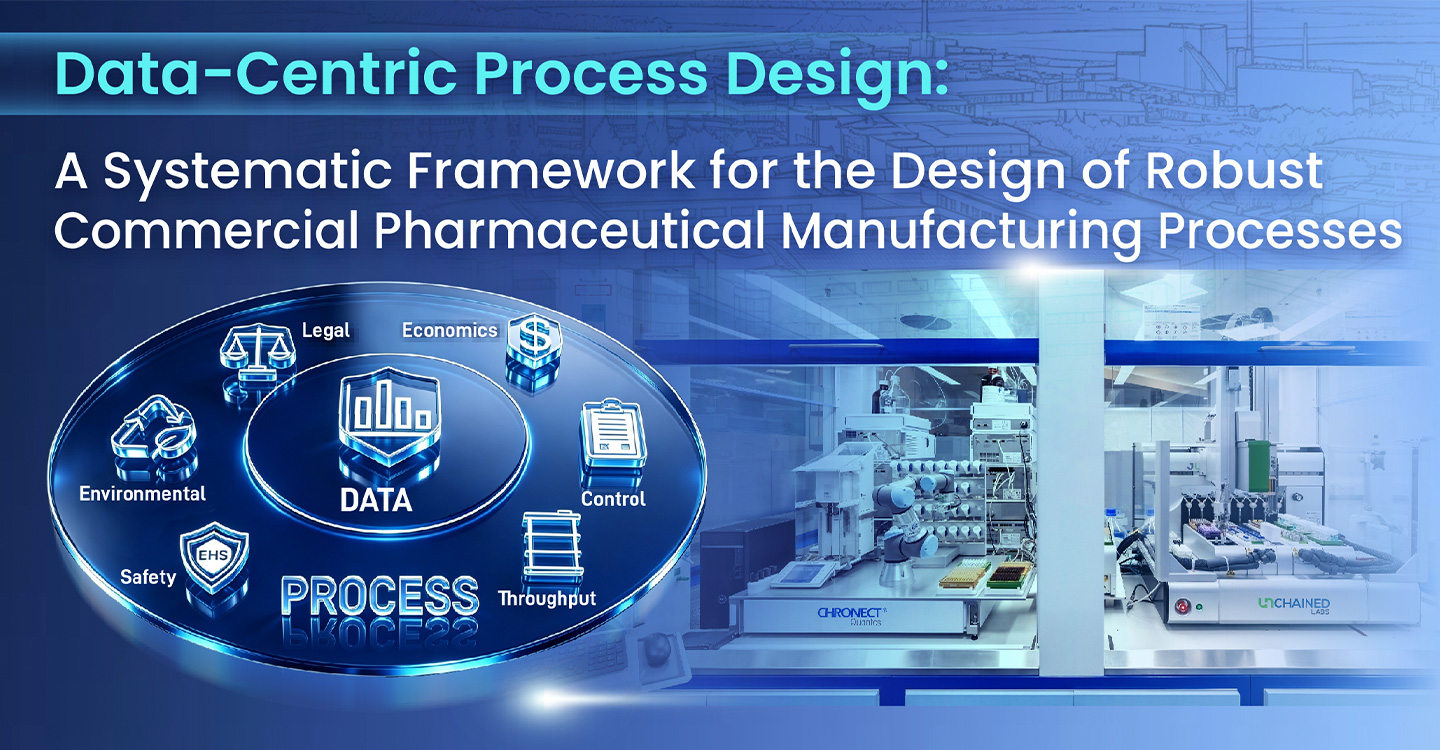
At Asymchem's Sandwich site, we implement Data-Centric Process Design to advance synthetic routes into commercially viable manufacturing processes. Leveraging advanced technologies and deep scientific expertise, our matrix teams take a holistic approach to process development, designing robust processes that meet established SELECT criteria. Rather than relying on iterative trial-and-error optimization, development is guided by fundamental scientific understanding generated throughout the project lifecycle, providing a sound basis for process design, risk assessment and manufacturing readiness.
A Structured Framework for Process Design
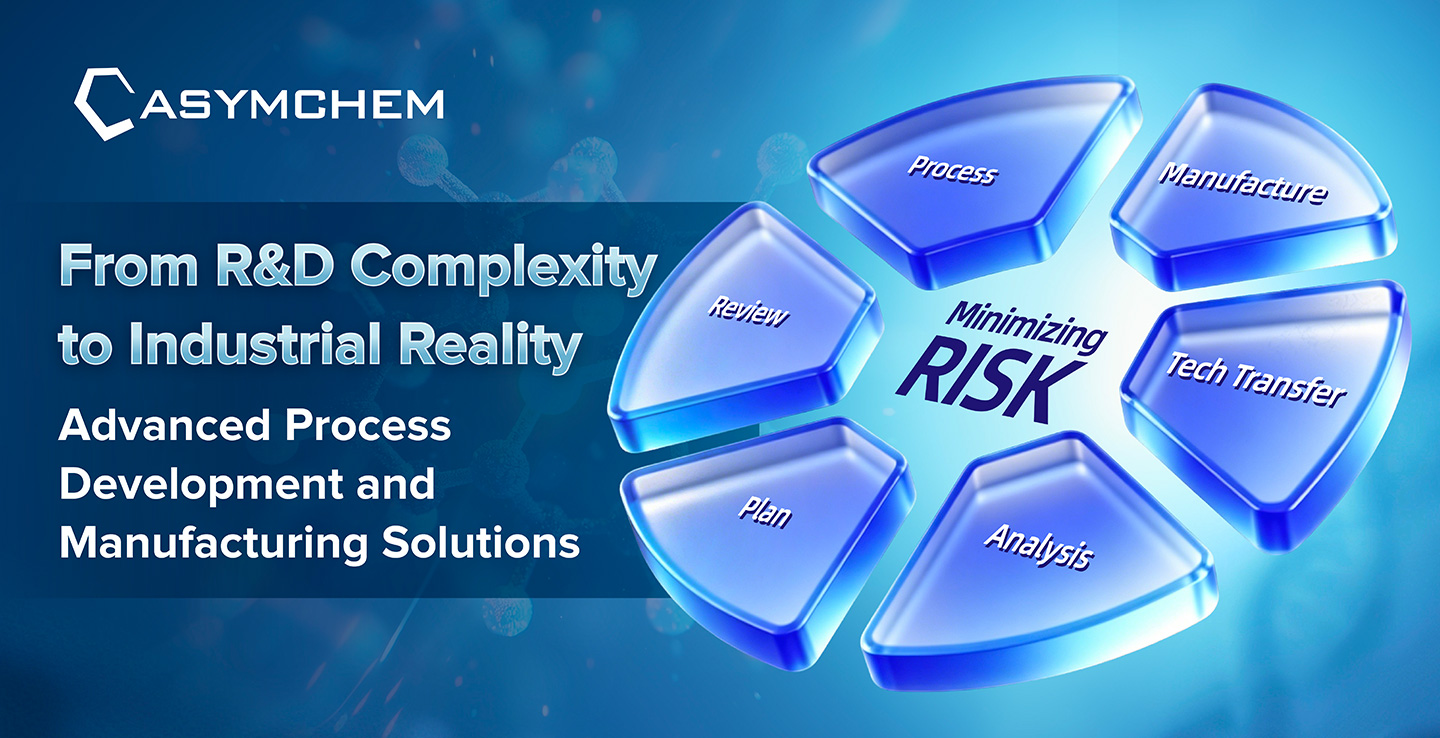
Data-Centric Process Design follows a systematic framework that integrates scientific understanding with multidisciplinary expertise throughout process development. From defining project objectives to confirming manufacturing readiness, each stage builds the process knowledge required to support robust commercial process design.
Planning
Process development begins with defining the project scope and identifying the scientific, technical and commercial drivers specific to the target molecule and client requirements. Establishing these priorities early ensures that development activities remain focused on generating the knowledge needed to support process design and decision-making.
Fundamental Data Generation
Comprehensive process understanding begins with the generation of high-quality experimental data.
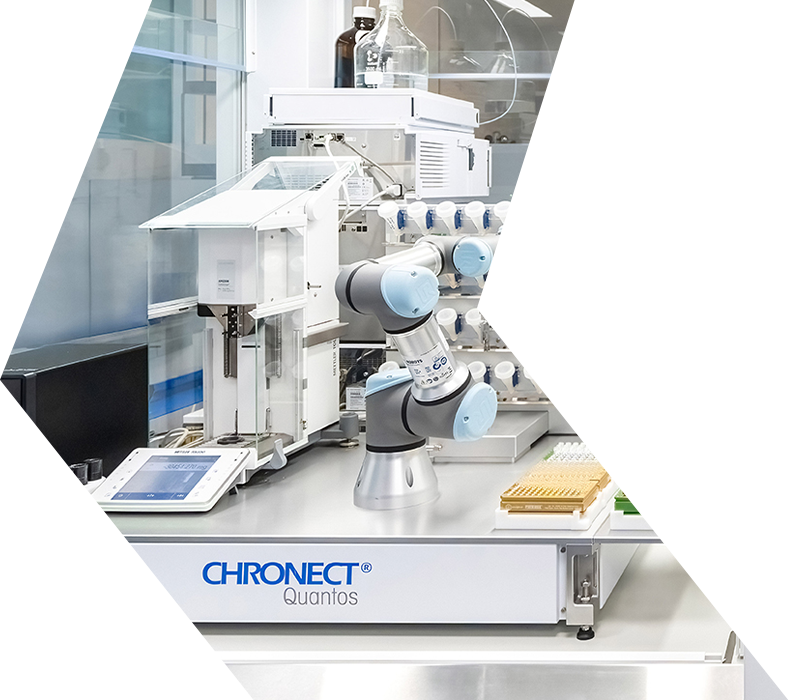
Using advanced high-throughput experimentation (HTE) platforms, our teams rapidly generate the fundamental data required to support process development, including reaction screening, solubility studies, reaction kinetics, liquid-liquid extraction screening and solid-form characterization.
These studies establish a scientific understanding of the process that extends beyond reaction optimization alone, enabling data-driven evaluation of process options, identification of potential development risks and informed decision-making throughout process development.
Process Design
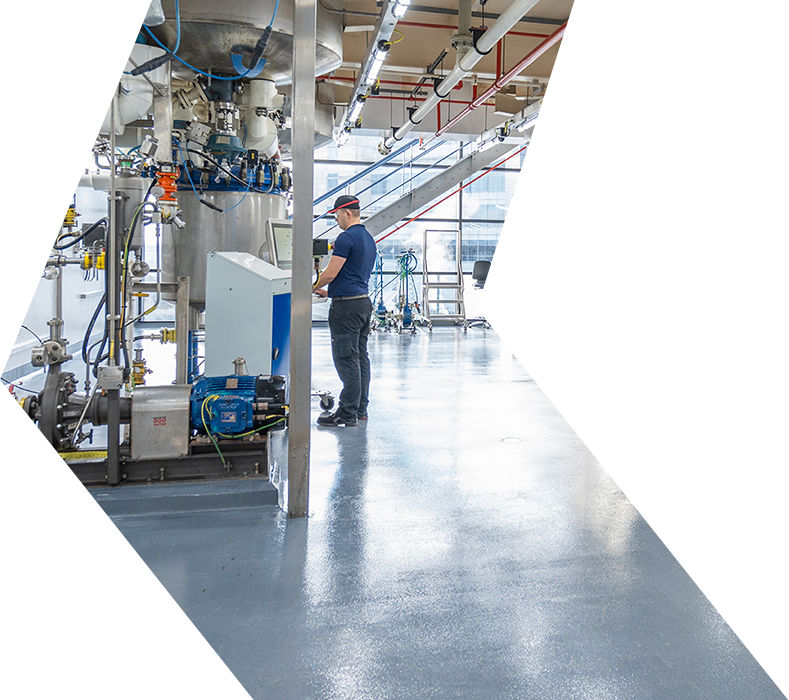
Fundamental process knowledge is translated into practical manufacturing solutions through close collaboration between process chemists, analytical scientists, engineers and manufacturing specialists.
Leveraging the experimental data generated during development, matrix teams evaluate process options holistically, considering reaction performance, impurity control, material attributes, scalability and operational practicality as an integrated system rather than as individual unit operations.
Process development and analytical method development progress in parallel, allowing analytical methods to evolve alongside process understanding and supporting development of an appropriate control strategy throughout the program.
Process Confirmation
Before technology transfer, the proposed manufacturing process is evaluated to confirm its suitability for commercial GMP manufacturing.
This stage includes robustness assessments, including Design of Experiments (DoE), to establish appropriate operating ranges for critical process parameters, together with engineering assessments, scale-up evaluations, stability studies and hold-time studies to demonstrate process robustness and manufacturing flexibility.
Small-scale demonstration campaigns further confirm process performance while supporting preparation of the technical package and process description required for successful technology transfer.
Together, these activities provide confidence that the process is technically robust, reproducible and suitable for commercial manufacture.
Case Study: Commercial Process Design
The value of Data-Centric Process Design is demonstrated by a commercial process development program in which the team evaluated the manufacturing route from both scientific and practical perspectives.
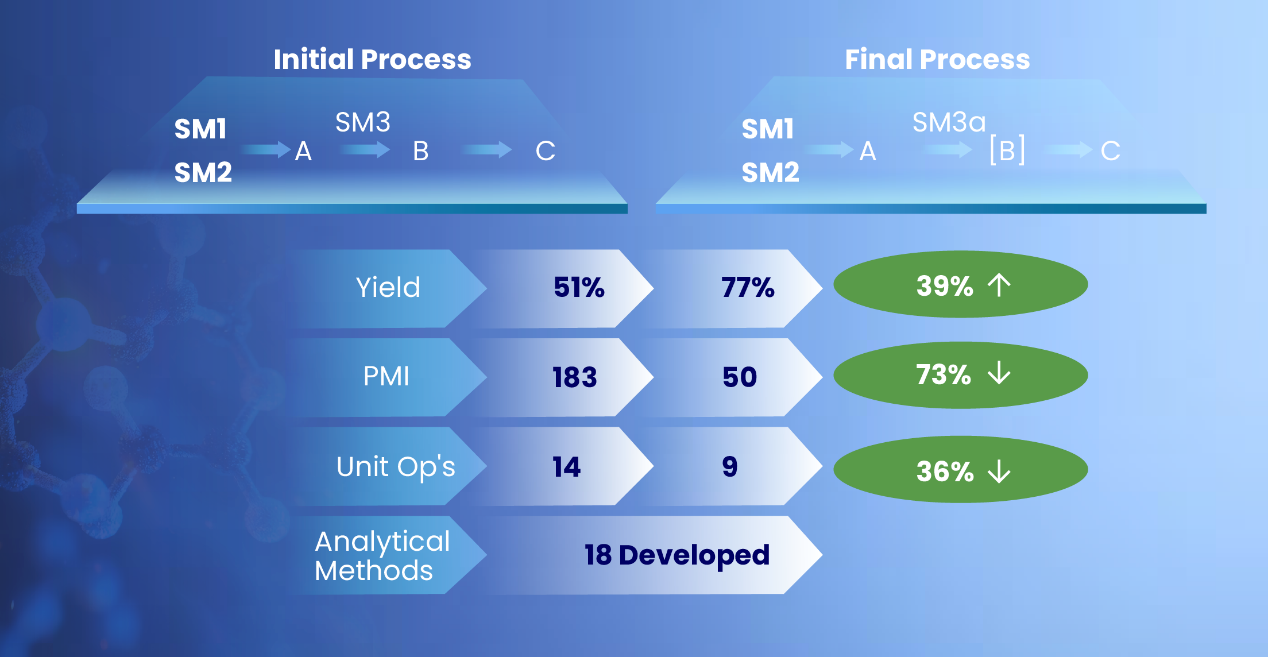
Figure 1. Commercial process redesign enabled through Data-Centric Process Design.
The development program focused on improving the overall suitability of the process for commercial manufacturing. Key objectives included selecting the most appropriate starting material, improving the physical and processing properties of a key intermediate, avoiding isolation of an undesirable solvated form, and establishing the analytical and impurity understanding needed to support process control.
By addressing these considerations as part of an integrated process design rather than optimizing individual reactions in isolation, the team was able to redesign the manufacturing route around overall process performance. Compared with the initial process, the redesigned process achieved a 39% increase in overall yield, a 73% reduction in Process Mass Intensity (PMI) and a 36% reduction in unit operations.
The program also included analytical method development and a demonstration run to support process confirmation and preparation of the technical package. Together, these activities helped establish a more efficient and robust process suitable for commercial manufacturing.
Supporting Robust Commercial Manufacturing
Successful commercial process development depends on generating the right scientific understanding at the right stage of development. By systematically integrating experimental data, multidisciplinary expertise and manufacturing considerations, Data-Centric Process Design provides a structured framework for designing robust manufacturing processes suitable for commercial pharmaceutical production.
At Asymchem's Sandwich site, this approach helps translate synthetic routes into commercially viable manufacturing processes, supporting efficient technology transfer and reliable GMP manufacturing throughout the product lifecycle.